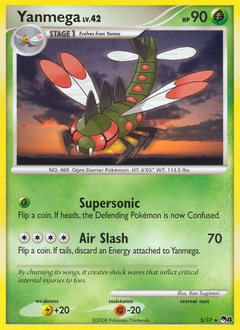
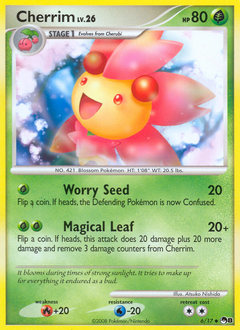
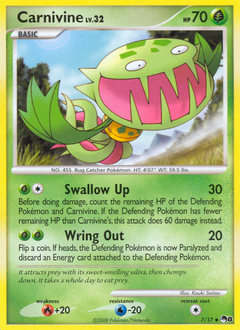
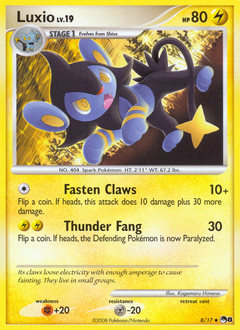
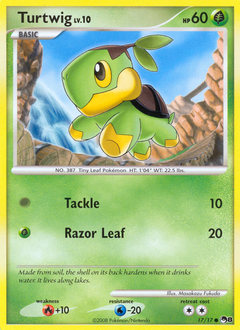
Near Mint condition, current market prices. Includes every card in the set: base printings, reverse holos, and secret rares.
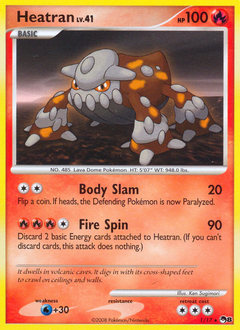
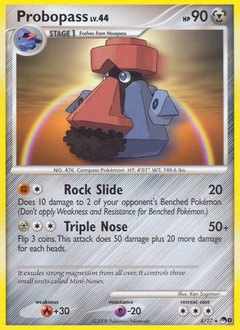
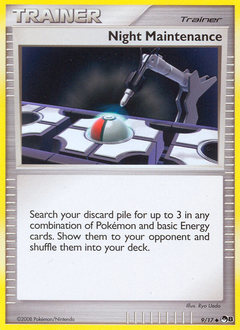
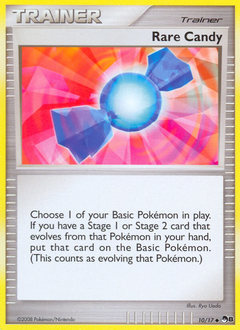
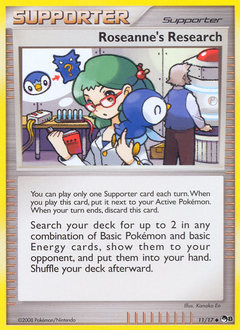
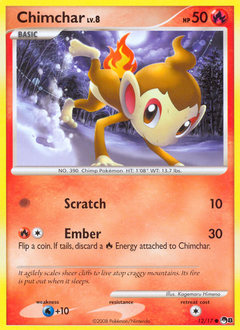
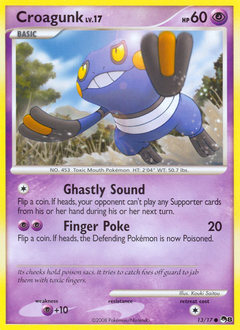
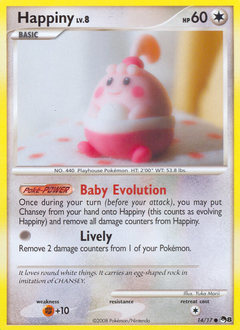
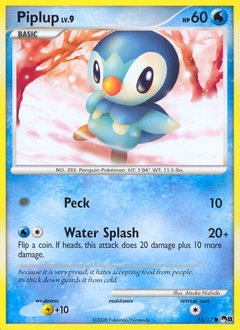
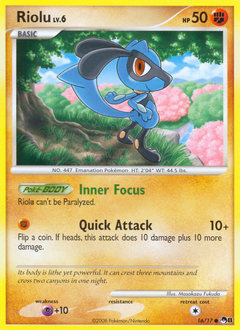
POP Series 8 is a small 17-card promotional set released in September 2008 during the Diamond & Pearl era, featuring popular Sinnoh region Pokemon and key trainer cards. As one of the final POP series releases, this set has become increasingly scarce in the secondary market, with several commons commanding unusually high prices due to limited print runs. Collectors should note that the extreme scarcity of this set and the promotional nature of its distribution make it a niche product with strong appeal to set completionists and Sinnoh-era enthusiasts.
Investment Outlook
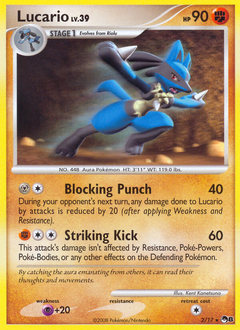
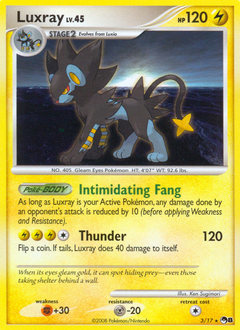
Bullish The set's small size, limited distribution window, and age have created genuine scarcity that continues to support strong pricing, particularly for key cards like Lucario and Luxray.
Reprint Risk
Low As a promotional-only set from 2008, reprints outside of premium collection boxes are unlikely given Pokemon's focus on standard set releases.
Cards to WatchLucarioLuxrayRoseanne's Research
AI-generated market analysis. Updated weekly. Not financial advice.
Most valuable POP Series 8 cardsTCGplayer Near Mint
The POP Series 8 chase cards are
Lucario #2 at $24.25, Luxray #3 at $21.35 and Piplup #15 at $17.54.