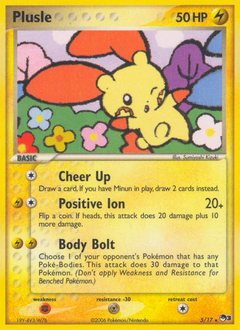
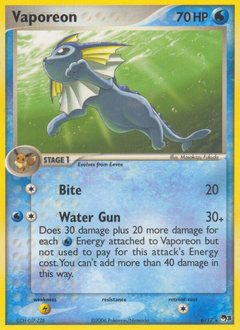
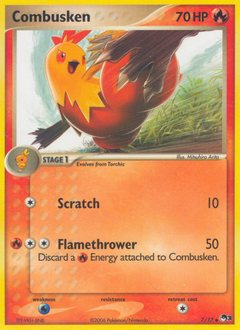
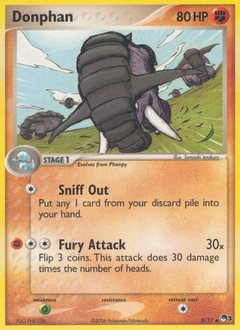
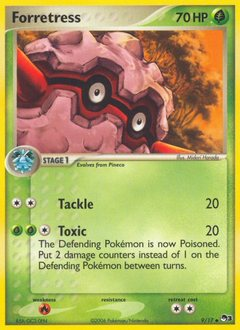
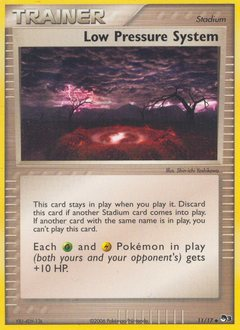
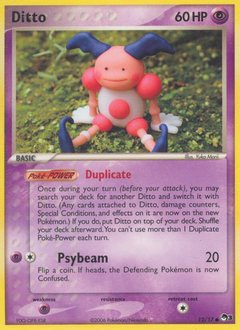
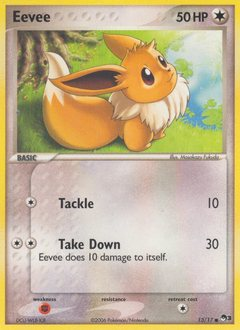
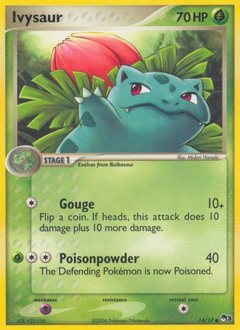
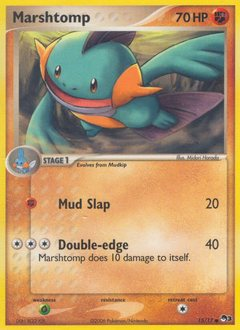
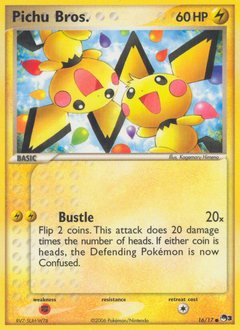
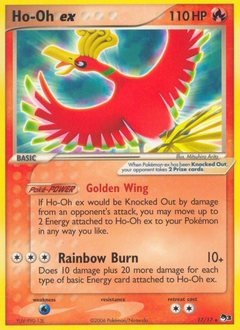
Near Mint condition, current market prices. Includes every card in the set: base printings, reverse holos, and secret rares.
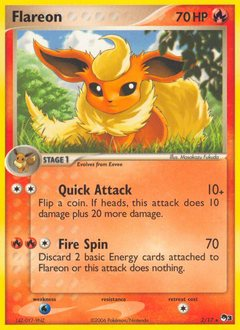
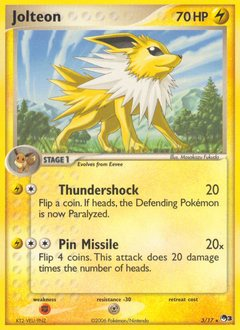
POP Series 3 is a highly limited promotional set released in April 2006 containing just 17 cards, making it one of the smallest and most exclusive sets in Pokemon TCG history. This set features iconic Pokemon including multiple Eeveelutions and powerful ex cards like Ho-Oh ex, which commands premium prices due to extreme scarcity. Collectors view POP Series 3 as a cornerstone vintage set with significant investment potential given its tiny print run and nostalgic appeal to early-2000s Pokemon fans.
Investment Outlook
Bullish The exceptional scarcity of this 17-card set combined with strong demand for vintage POP series products and proven price appreciation across the top cards suggests continued upward pressure on valuations.
Reprint Risk
Low POP Series 3's promotional-only status and vintage classification make large-scale reprints highly unlikely, protecting collector investment.
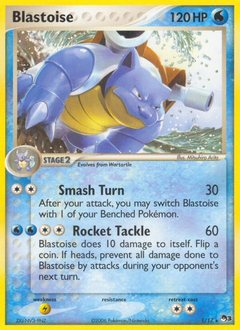
Cards to WatchHo-Oh exPichu Bros.Blastoise
AI-generated market analysis. Updated weekly. Not financial advice.
Most valuable POP Series 3 cardsTCGplayer Near Mint
The POP Series 3 chase cards are
Ho-Oh ex #17 at $125.00, Pichu Bros. #16 at $124.38 and Blastoise #1 at $100.00.