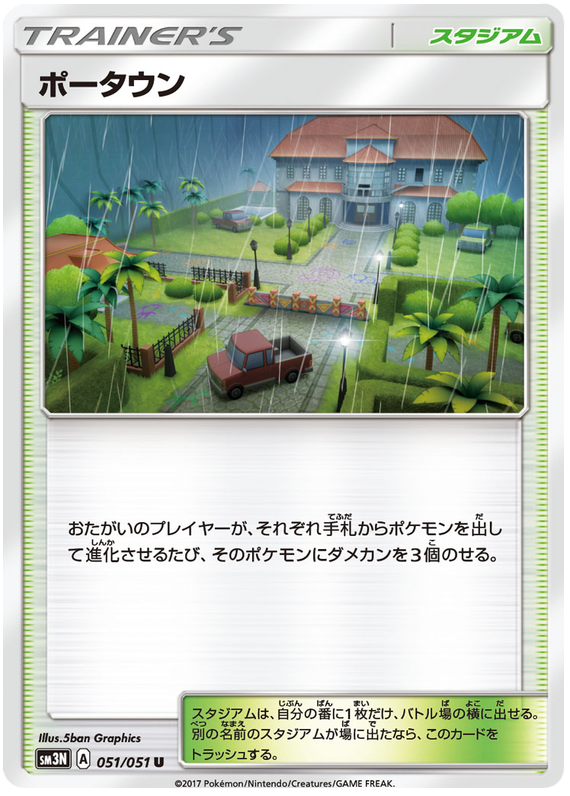
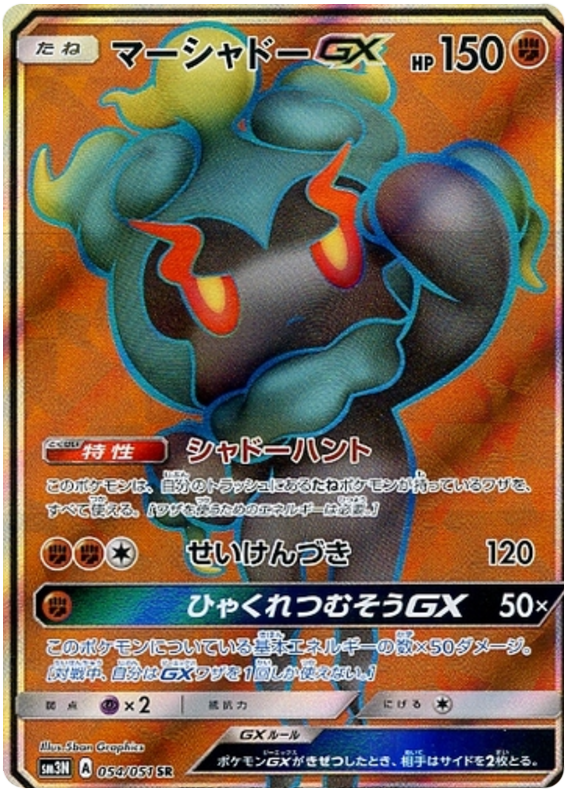
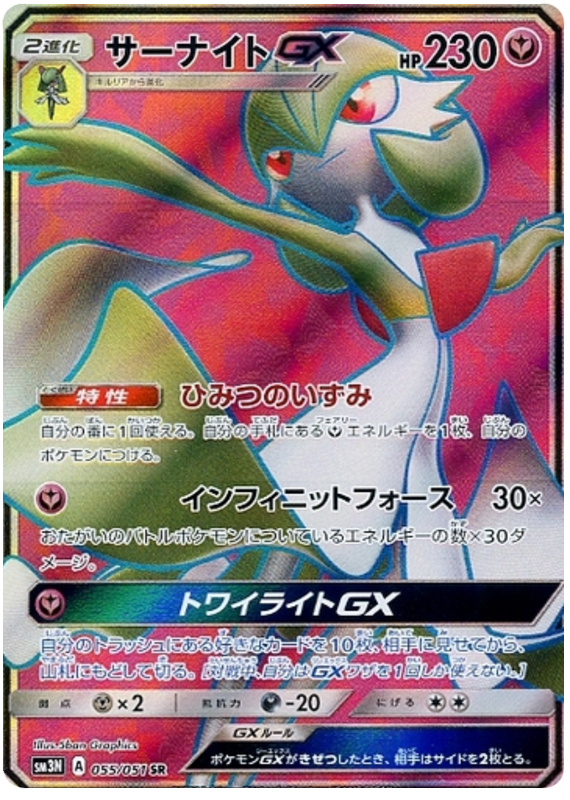
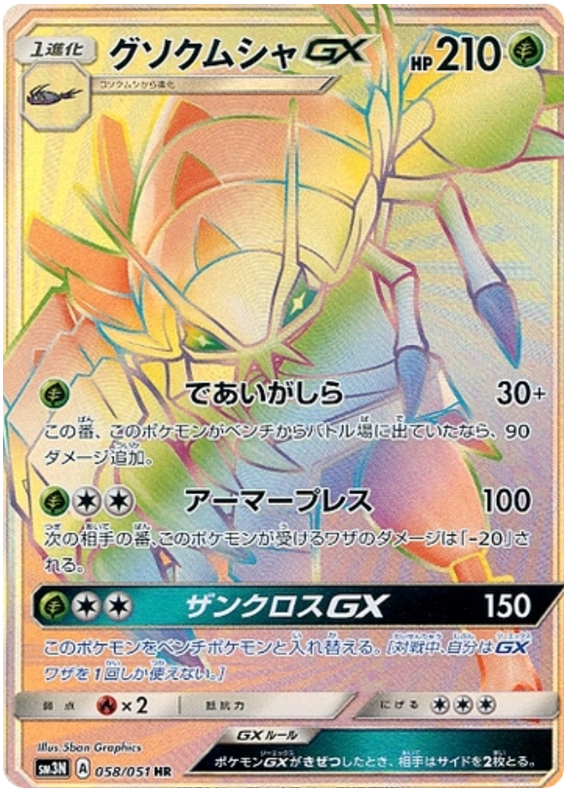
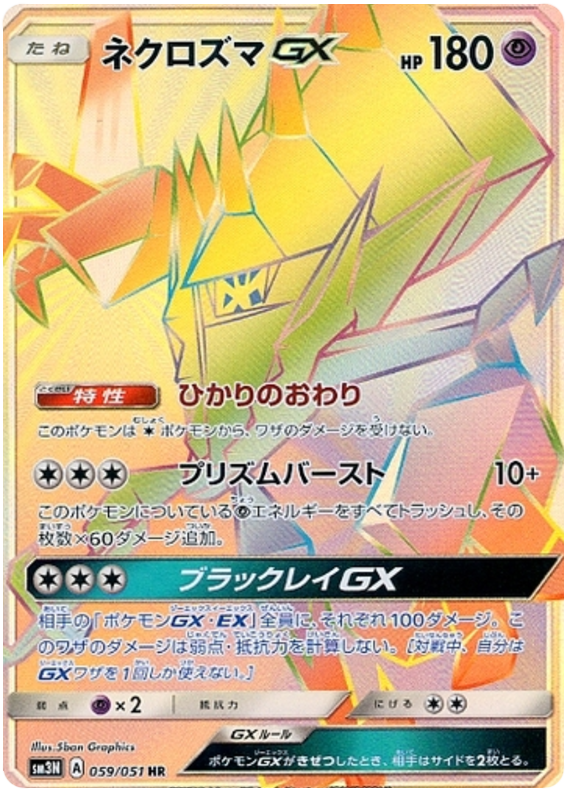
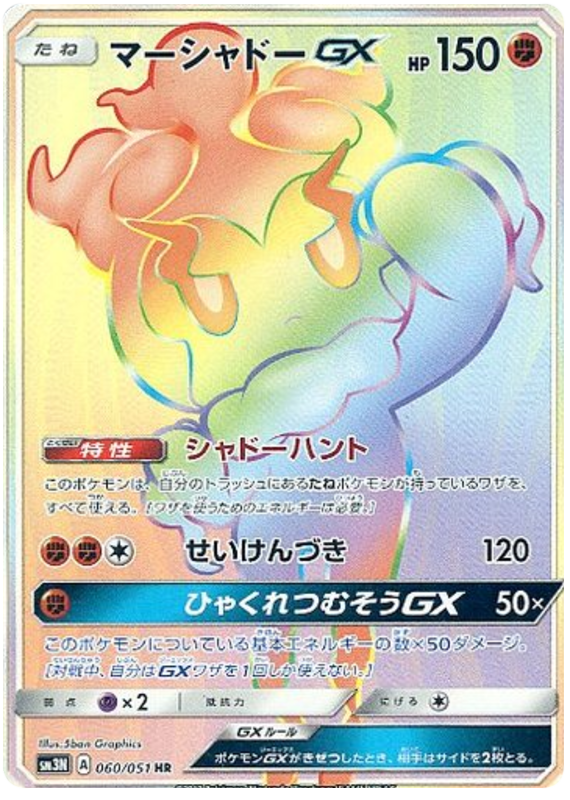
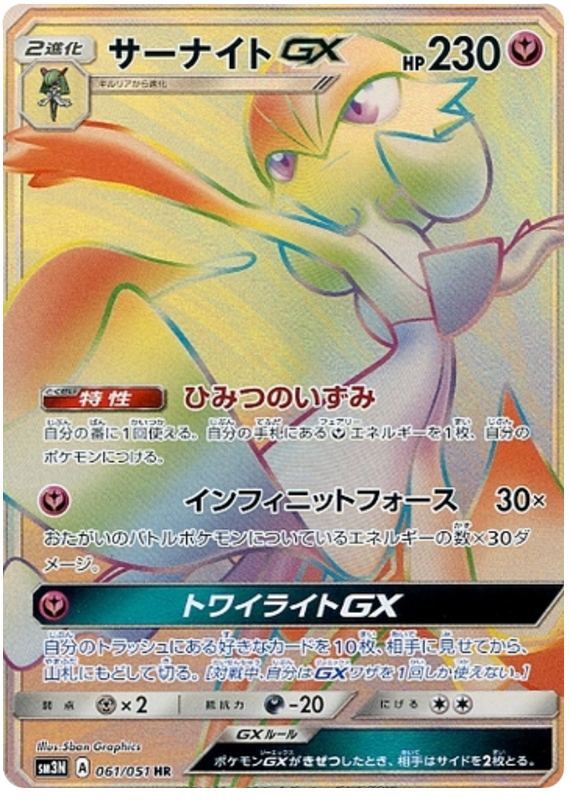
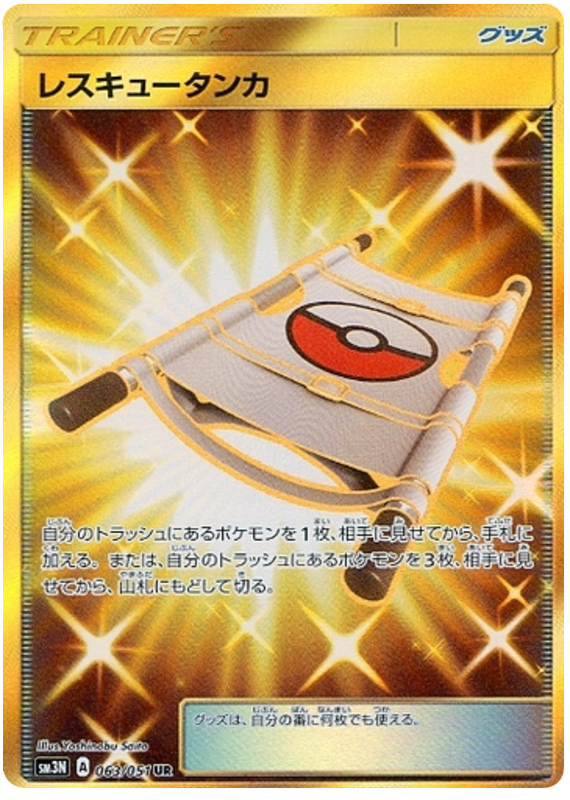
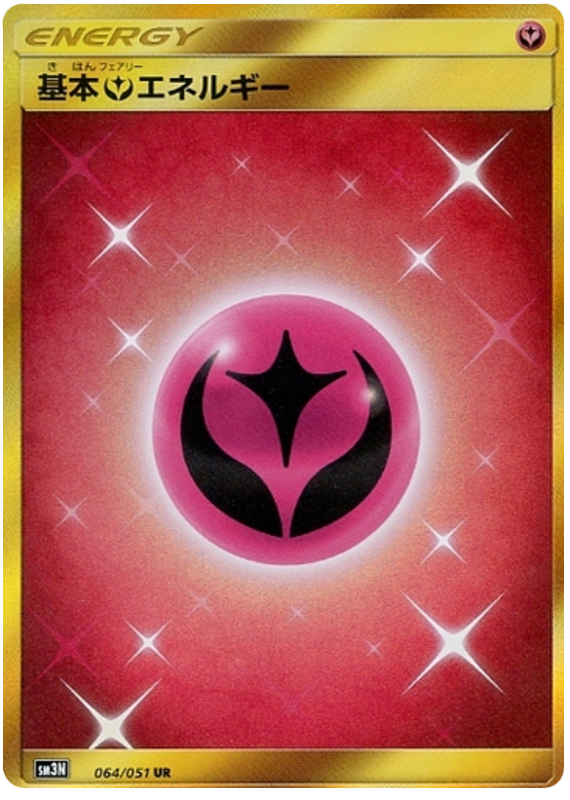
Near Mint condition, current market prices. Includes every card in the set: base printings, reverse holos, and secret rares.
Light-Consuming Darkness is a Sun & Moon Series set released in June 2017 that continues the narrative of the Alola region with new Pokémon and mechanics. As an early Sun & Moon era release, this set represents an important transitional period in the TCG's modern format. Collectors should note that complete market data is currently unavailable, making this set difficult to assess for investment purposes at this time.
Investment Outlook
Neutral Without price data available, it is impossible to determine meaningful investment trends or market sentiment for this set.
Reprint Risk
Medium Early Sun & Moon sets have seen moderate reprint activity through special collections and premium products, presenting moderate risk to long-term card value.
AI-generated market analysis. Updated weekly. Not financial advice.
Light-Consuming Darkness is a Pokemon Trading Card Game set, part of the Sun & Moon Series series, released on June 16, 2017, containing 64 cards.
When was Light-Consuming Darkness released?
The Light-Consuming Darkness Pokemon TCG set was released on June 16, 2017.
How many cards are in the Light-Consuming Darkness set?
There are 64 base cards in the Light-Consuming Darkness set. This count reflects the standard set list; some cards may have alternate printings or variants such as reverse holofoil, master ball, poke ball, prize pack, or stamped versions.
What rarities are in the Light-Consuming Darkness set?
The Light-Consuming Darkness set includes the following rarities: Common (25), Uncommon (16), Rare (6), Secret Rare (6), Double Rare (4), Hyper Rare (4), and Ultra Rare (3). Higher-rarity cards such as Special Illustration Rares and Hyper Rares typically command premium prices in the secondary market.