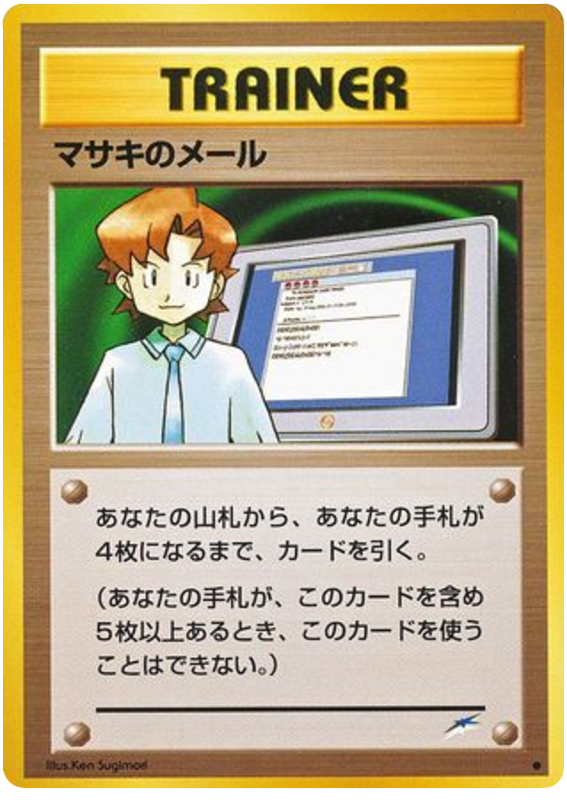
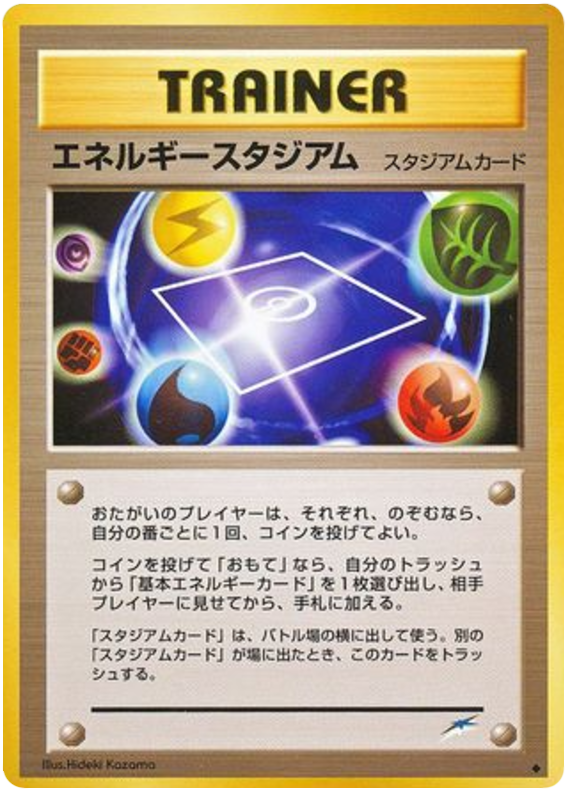
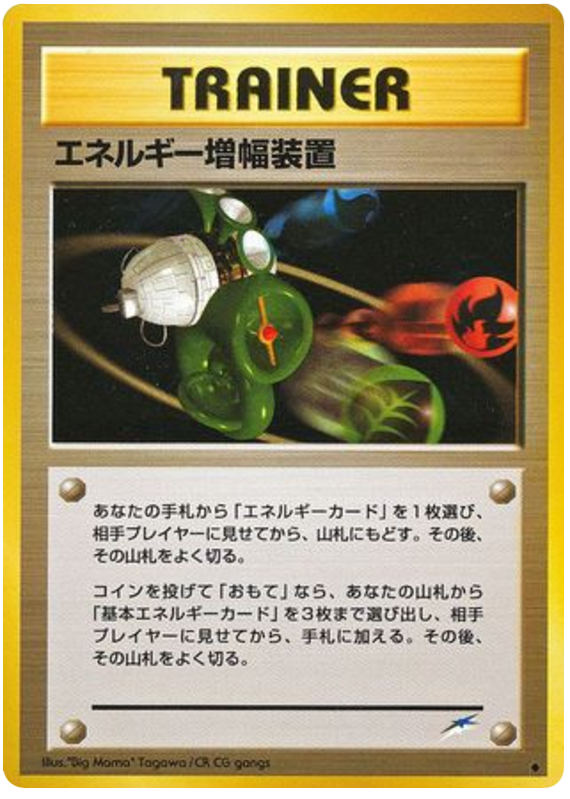
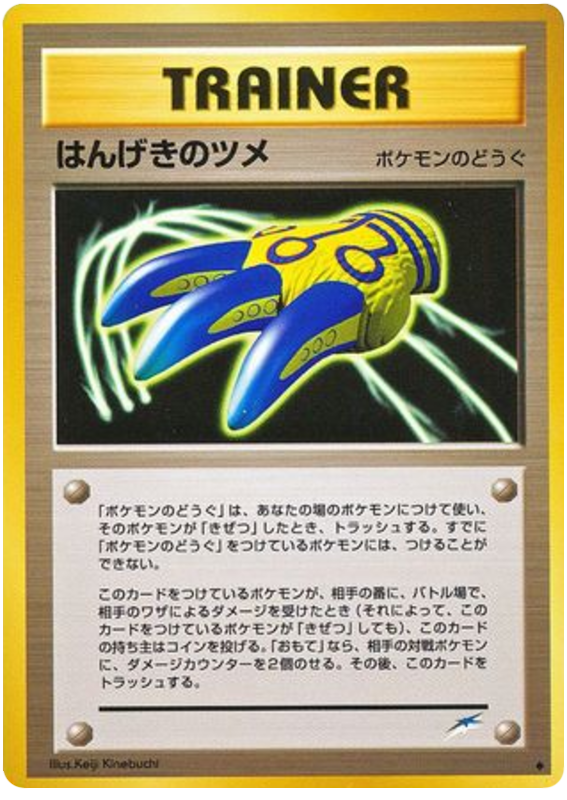
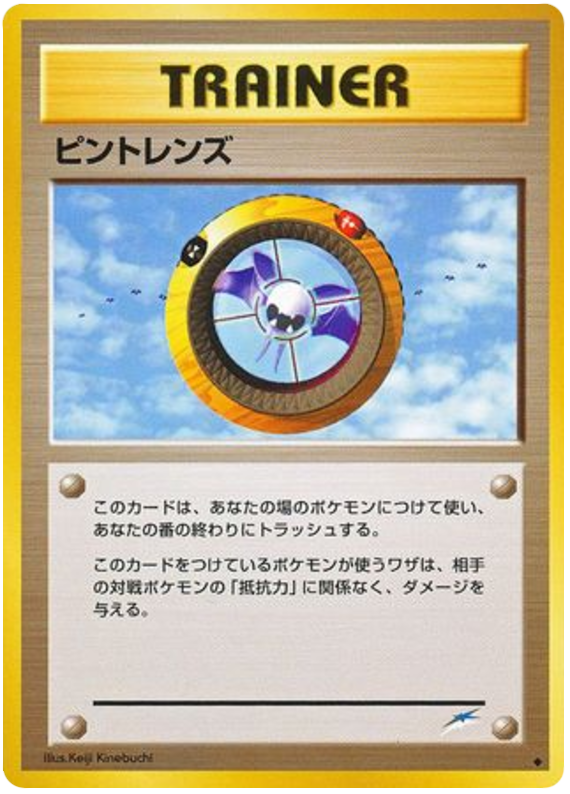
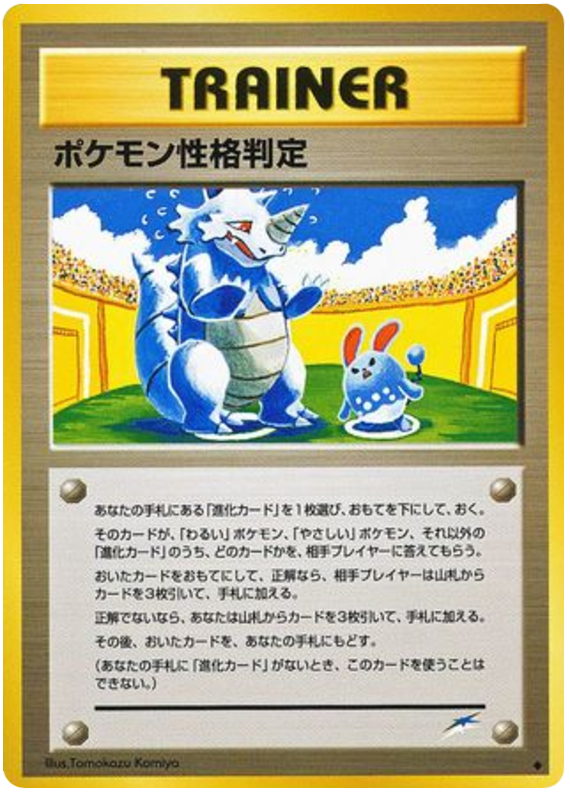
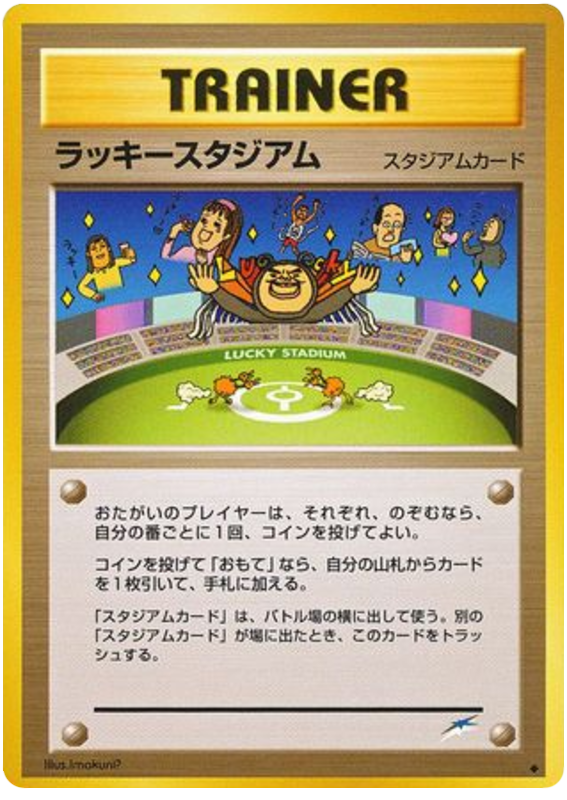
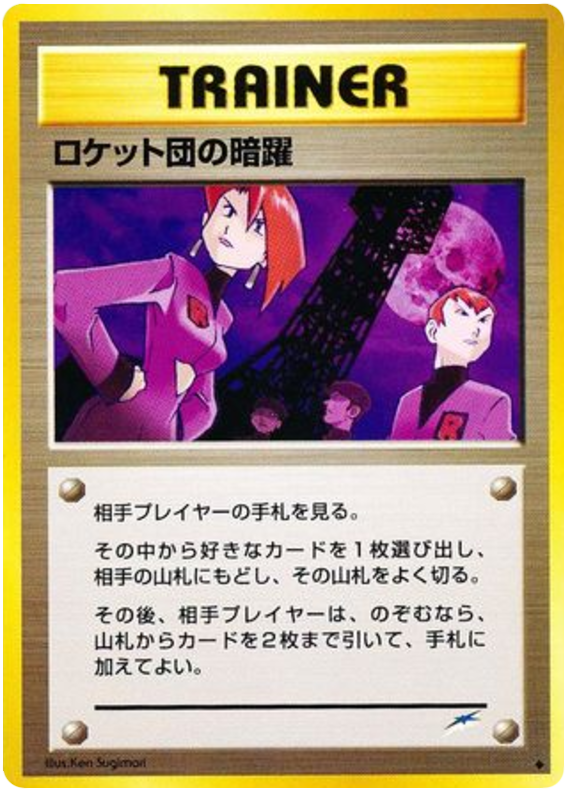
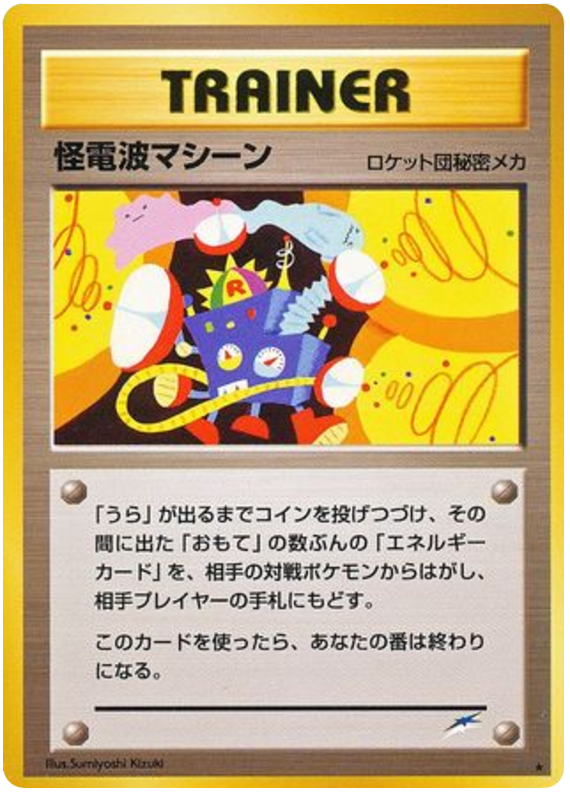
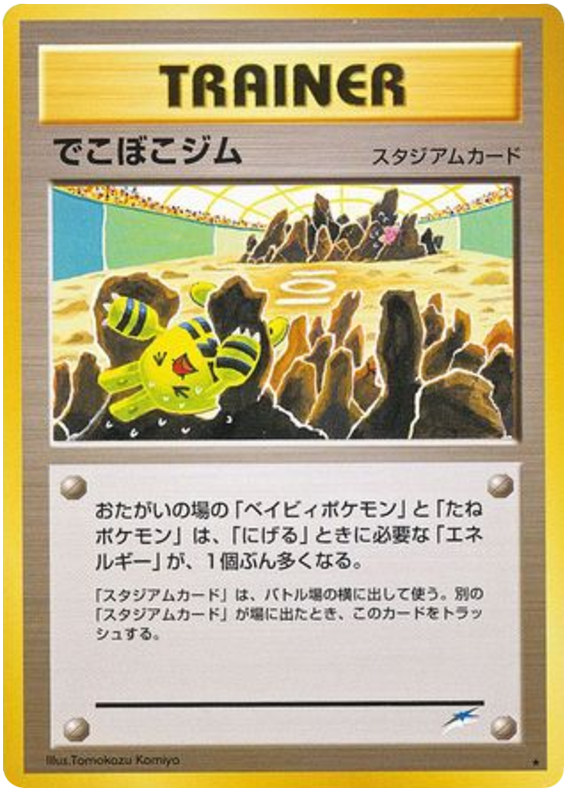
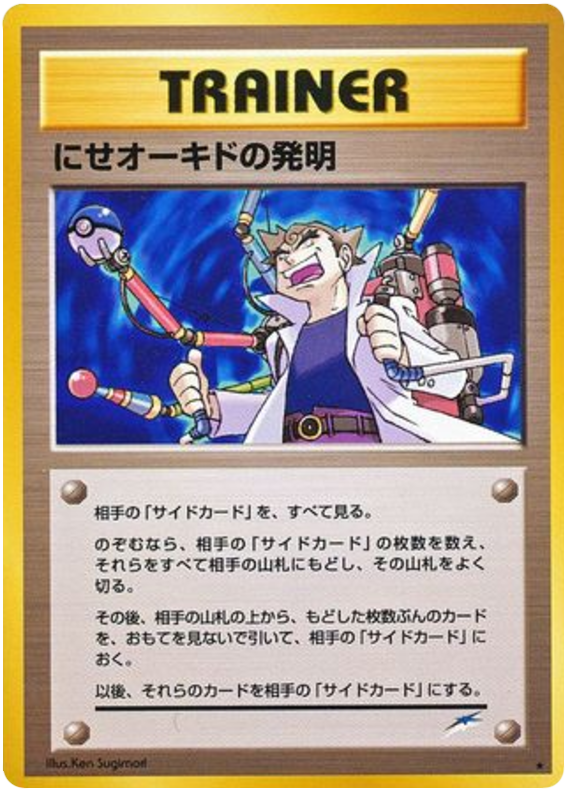
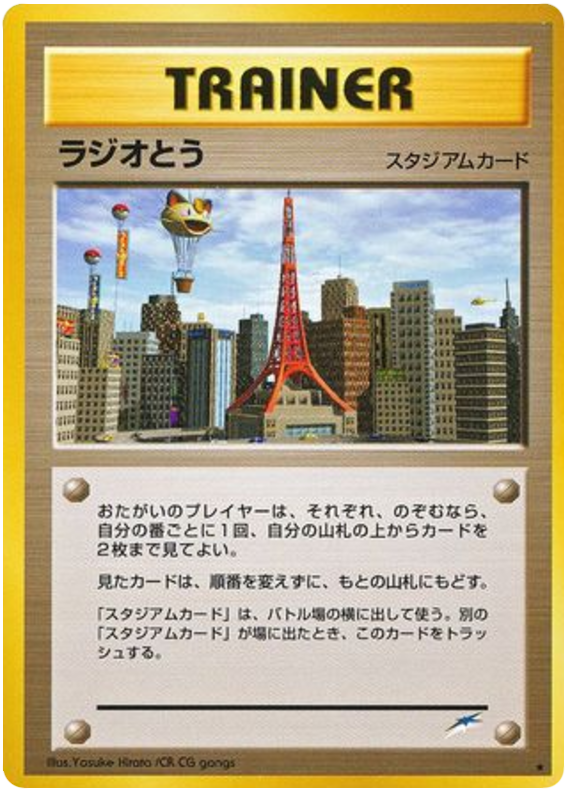
Near Mint condition, current market prices. Includes every card in the set: base printings, reverse holos, and secret rares.
Darkness and to Light is a Neo Series set from April 2001 that continues the beloved second generation Pokemon TCG era. As part of the classic Neo line, this set represents an important piece of Pokemon TCG history during the franchise's peak collectibility period. Early collectors should monitor this set closely as complete sets and key cards from this era command premium prices due to limited print runs and significant gameplay impact.
Investment Outlook
Bullish Neo Series sets consistently appreciate due to nostalgia demand, limited original print runs, and the set's position during Pokemon TCG's golden age.
Reprint Risk
Low Cards from the original Neo Series have rarely been reprinted in their original form, protecting long-term value.
Cards to WatchUnable to determine - no price data availableMonitor for key holos upon market data releaseFocus on first edition and shadowless variants
AI-generated market analysis. Updated weekly. Not financial advice.
Darkness and to Light is a Pokemon Trading Card Game set, part of the Neo Series series, released on April 20, 2001, containing 113 cards.
When was Darkness and to Light released?
The Darkness and to Light Pokemon TCG set was released on April 20, 2001.
How many cards are in the Darkness and to Light set?
There are 113 base cards in the Darkness and to Light set. This count reflects the standard set list; some cards may have alternate printings or variants such as reverse holofoil, master ball, poke ball, prize pack, or stamped versions.
What rarities are in the Darkness and to Light set?
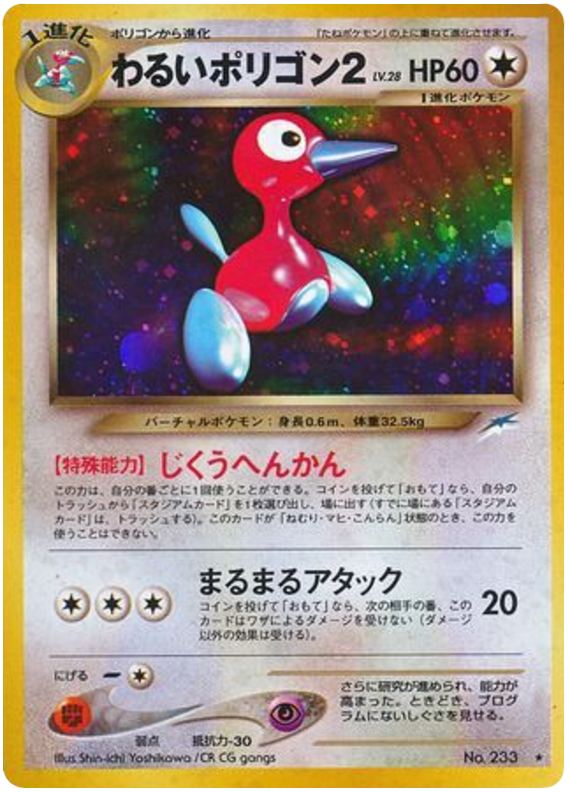
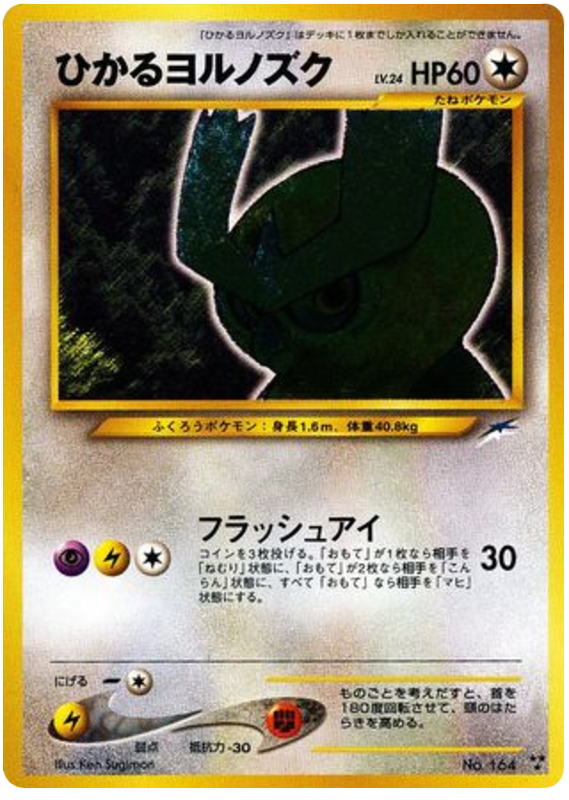
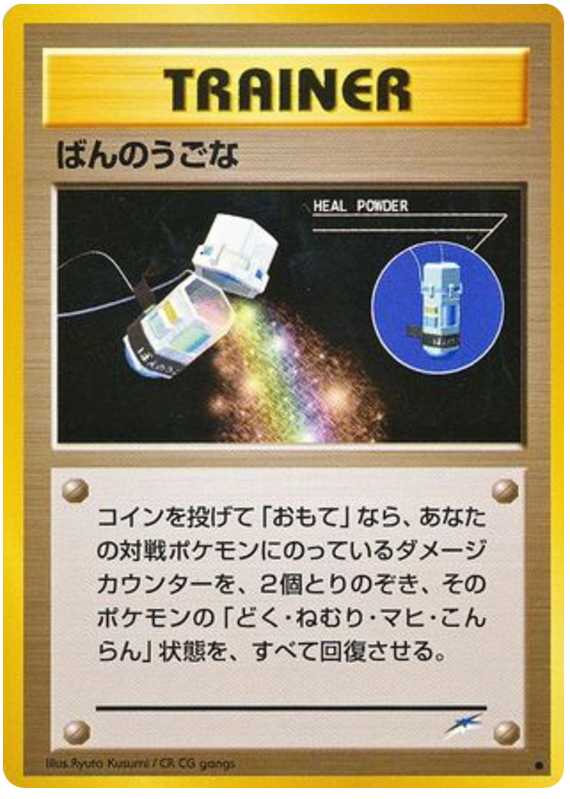
The Darkness and to Light set includes the following rarities: Common (35), Uncommon (35), Rare (18), Holo Rare (16), and Shining (8). Higher-rarity cards such as Special Illustration Rares and Hyper Rares typically command premium prices in the secondary market.