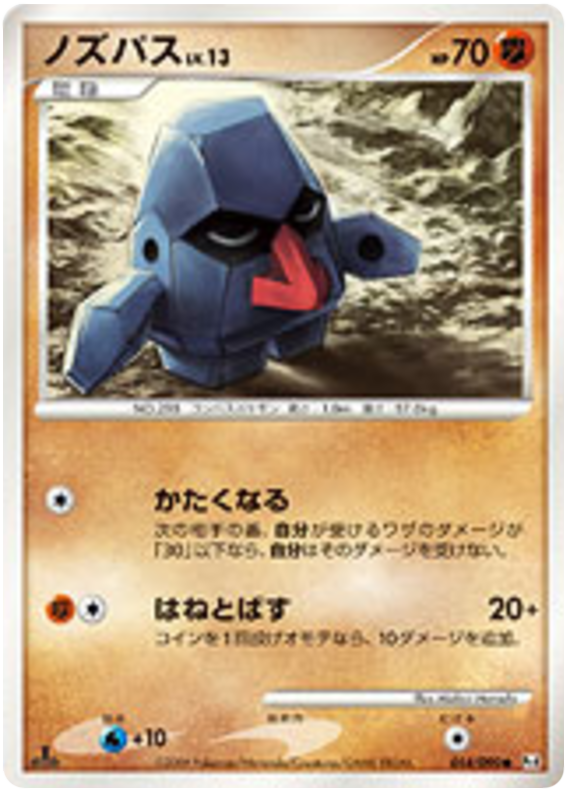
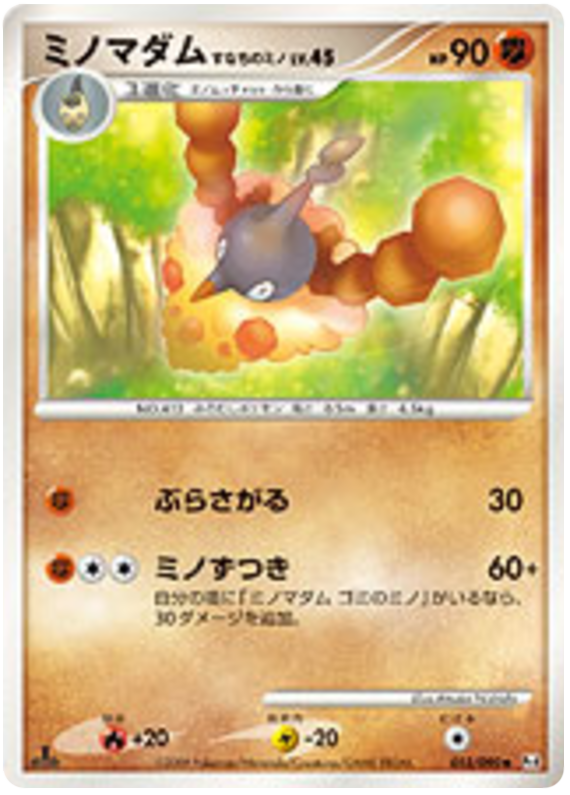
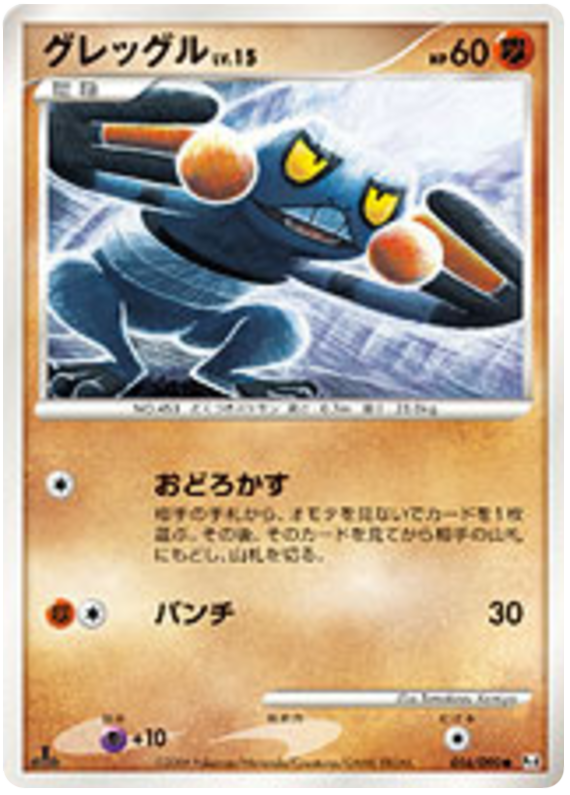
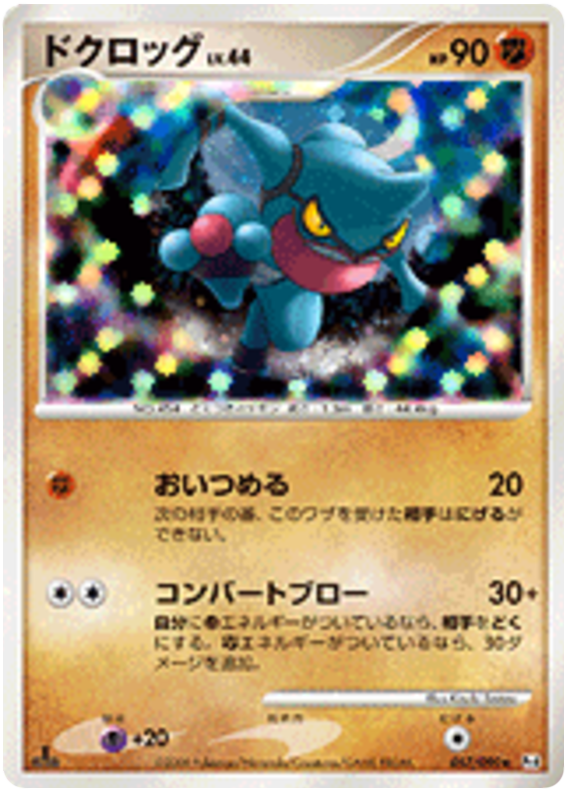
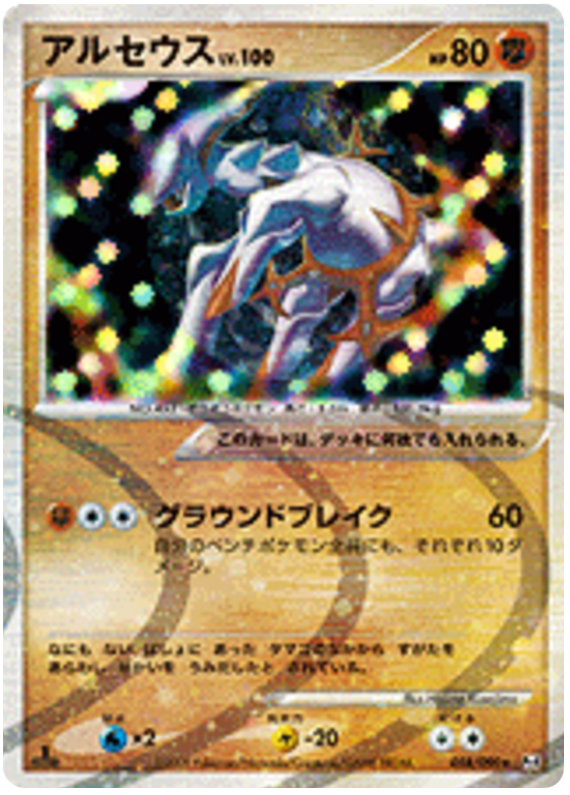
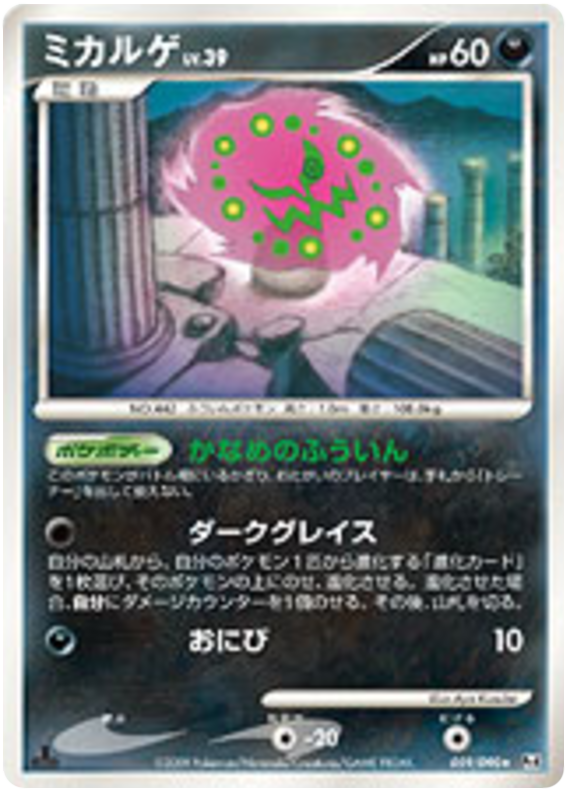
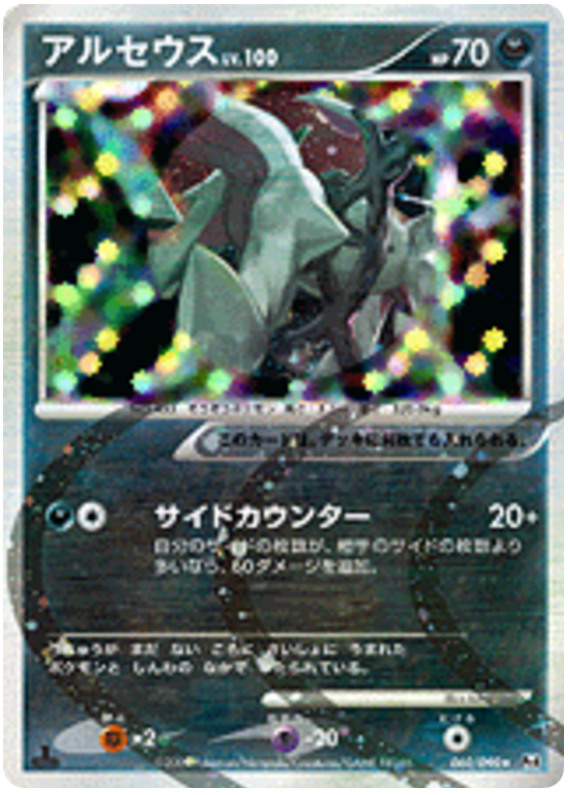
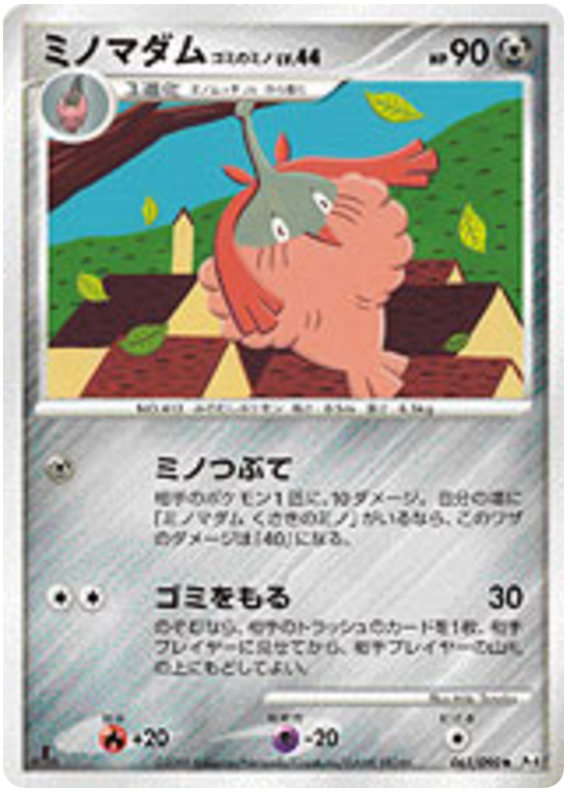
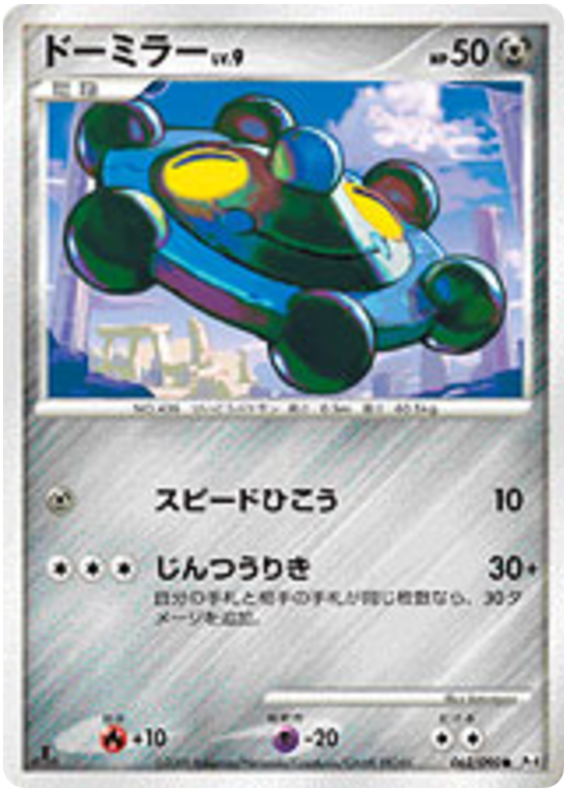
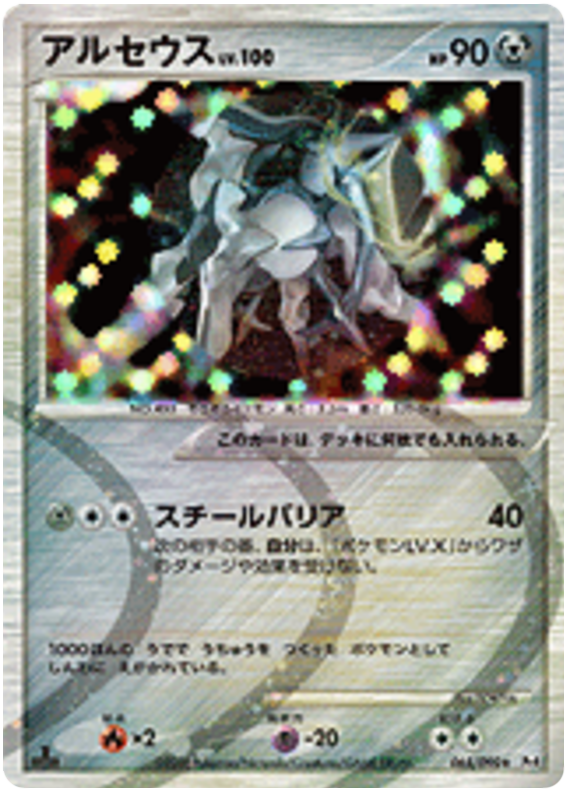
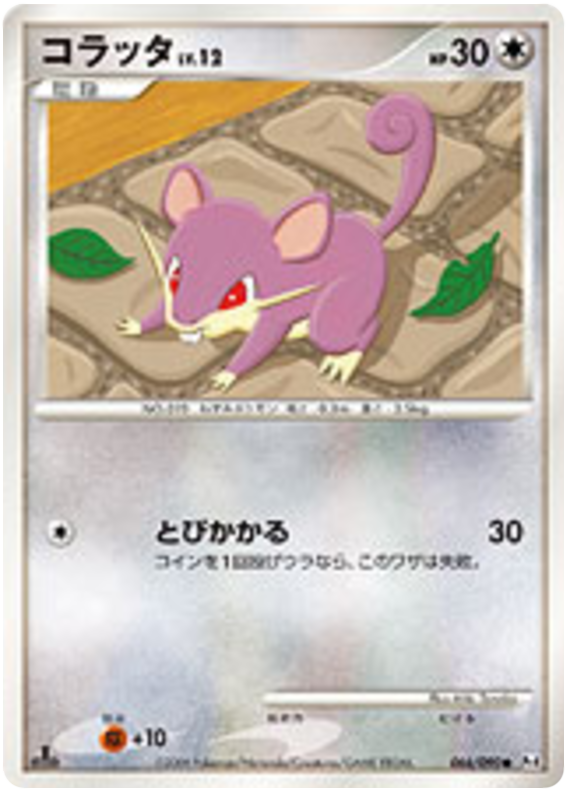
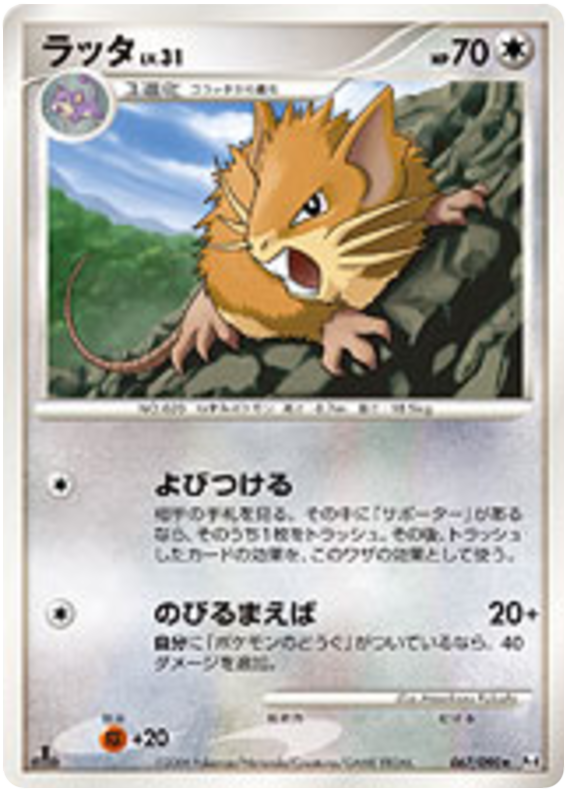
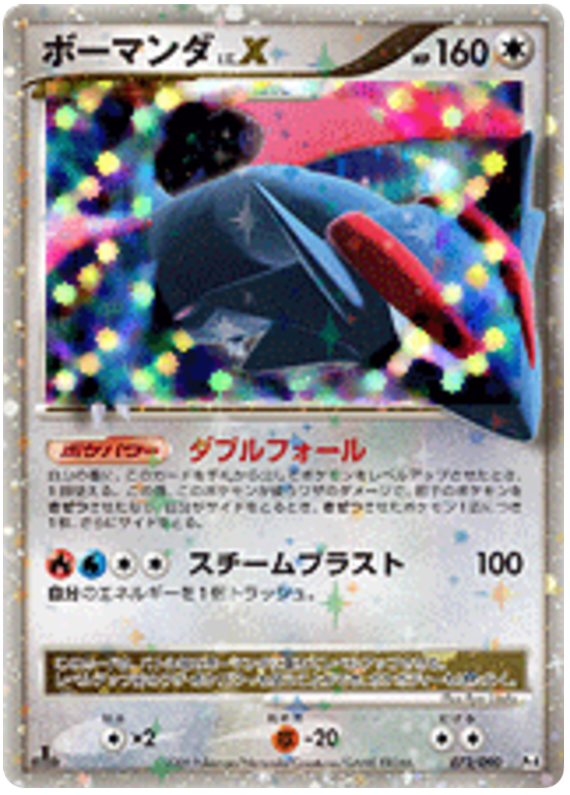
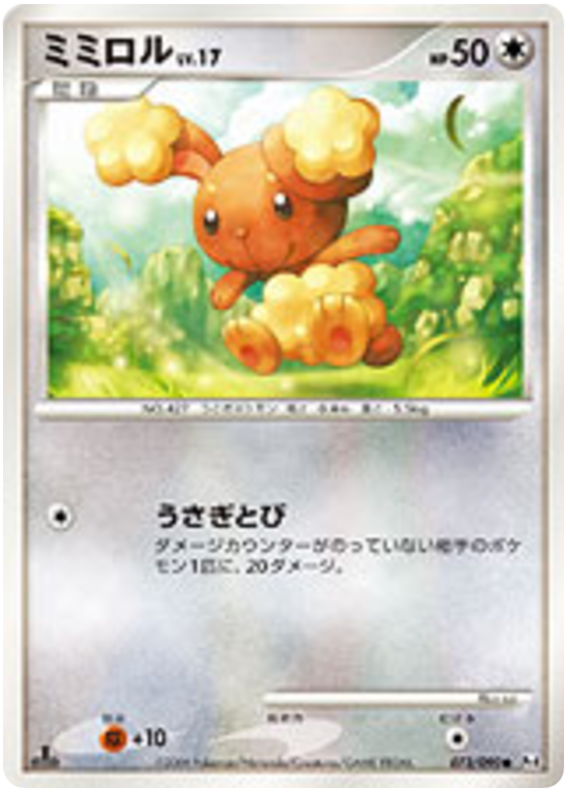
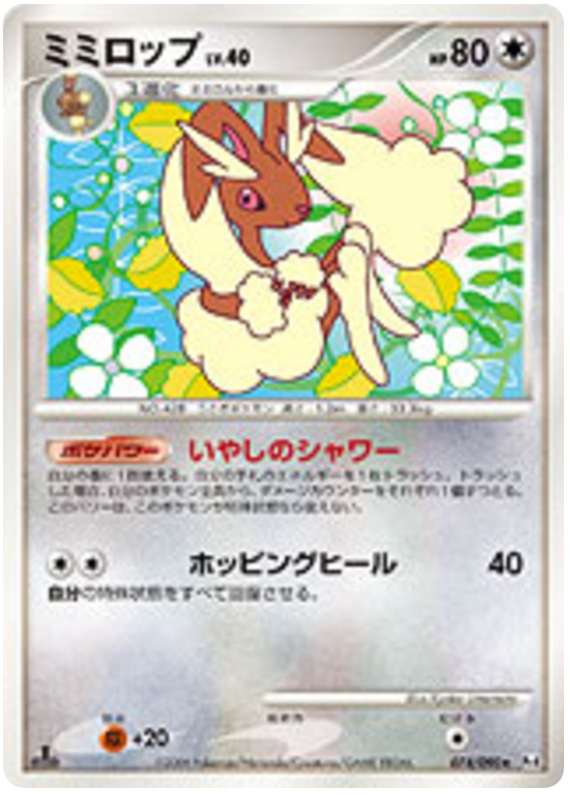
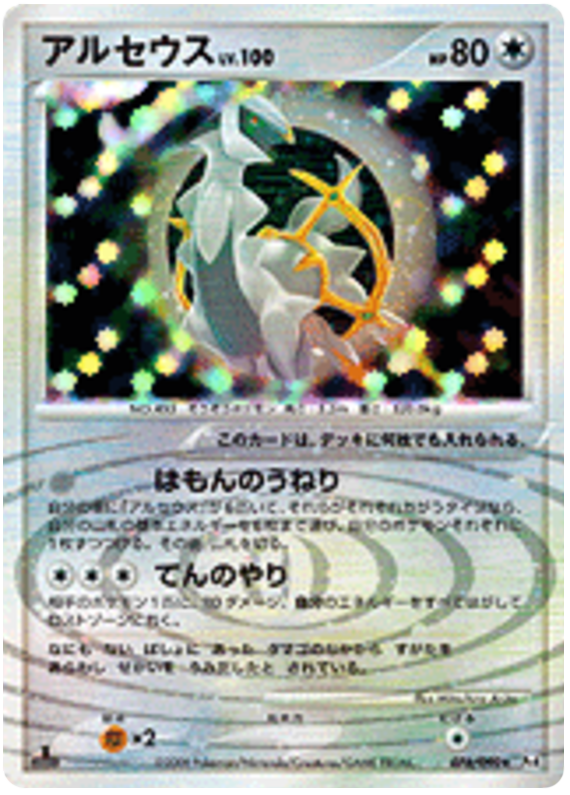
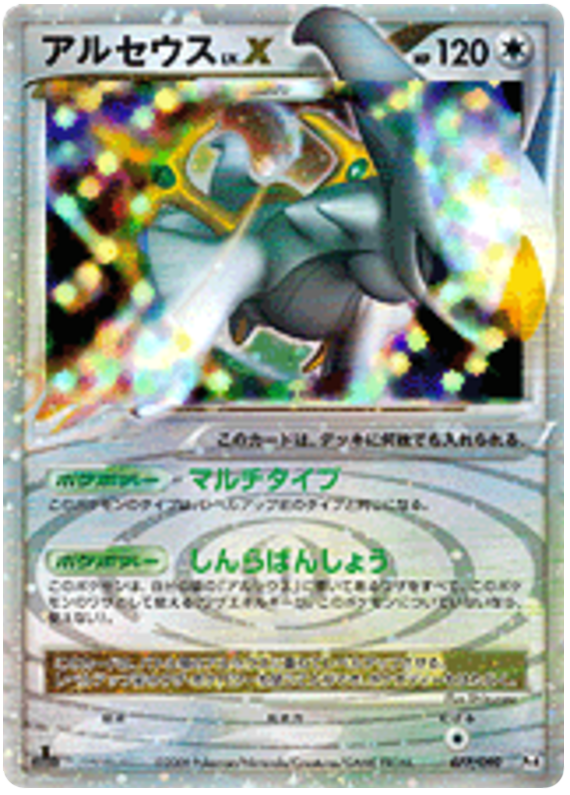
Near Mint condition, current market prices. Includes every card in the set: base printings, reverse holos, and secret rares.
Advent of Arceus (July 2009) represents a pivotal moment in the DPt Series, introducing the mythical Arceus as a centerpiece legendary with multiple printings and LV.X variants that drive significant collector demand. This set marks the late-era Diamond & Pearl era when LV.X mechanics were still prevalent, making it a nostalgic favorite for players and collectors of that generation. The presence of multiple high-value Arceus cards and vintage holos like Gengar LV.X reflects strong collector interest in this period of Pokemon TCG history.
Investment Outlook
Bullish The commanding price of Gengar LV.X at $179.99 and multiple Arceus variants holding $28-$100 indicate sustained demand from both investors and nostalgic collectors seeking DPt-era vintage cards.
Reprint Risk
Low As a 2009 DPt Series set, Advent of Arceus has had minimal reprints and the LV.X mechanic is no longer in print, reducing the likelihood of future reprints that would devalue current stock.
Cards to WatchGengar LV.XArceus LV.XCharizard
AI-generated market analysis. Updated weekly. Not financial advice.
Advent of Arceus is a Pokemon Trading Card Game set, part of the DPt Series series, released on July 8, 2009, containing 90 cards.
When was Advent of Arceus released?
The Advent of Arceus Pokemon TCG set was released on July 8, 2009.
How many cards are in the Advent of Arceus set?
There are 90 base cards in the Advent of Arceus set. This count reflects the standard set list; some cards may have alternate printings or variants such as reverse holofoil, master ball, poke ball, prize pack, or stamped versions.
What are the most valuable cards in Advent of Arceus?
Based on current TCGplayer market data, the top five cards in Advent of Arceus by price are Gengar LV.X at approximately $179.99, Arceus at approximately $100.00, Charizard at approximately $73.00, Arceus at approximately $50.00, and Shinx at approximately $49.25. Market values fluctuate based on demand, condition, and recent sales activity.